About Me

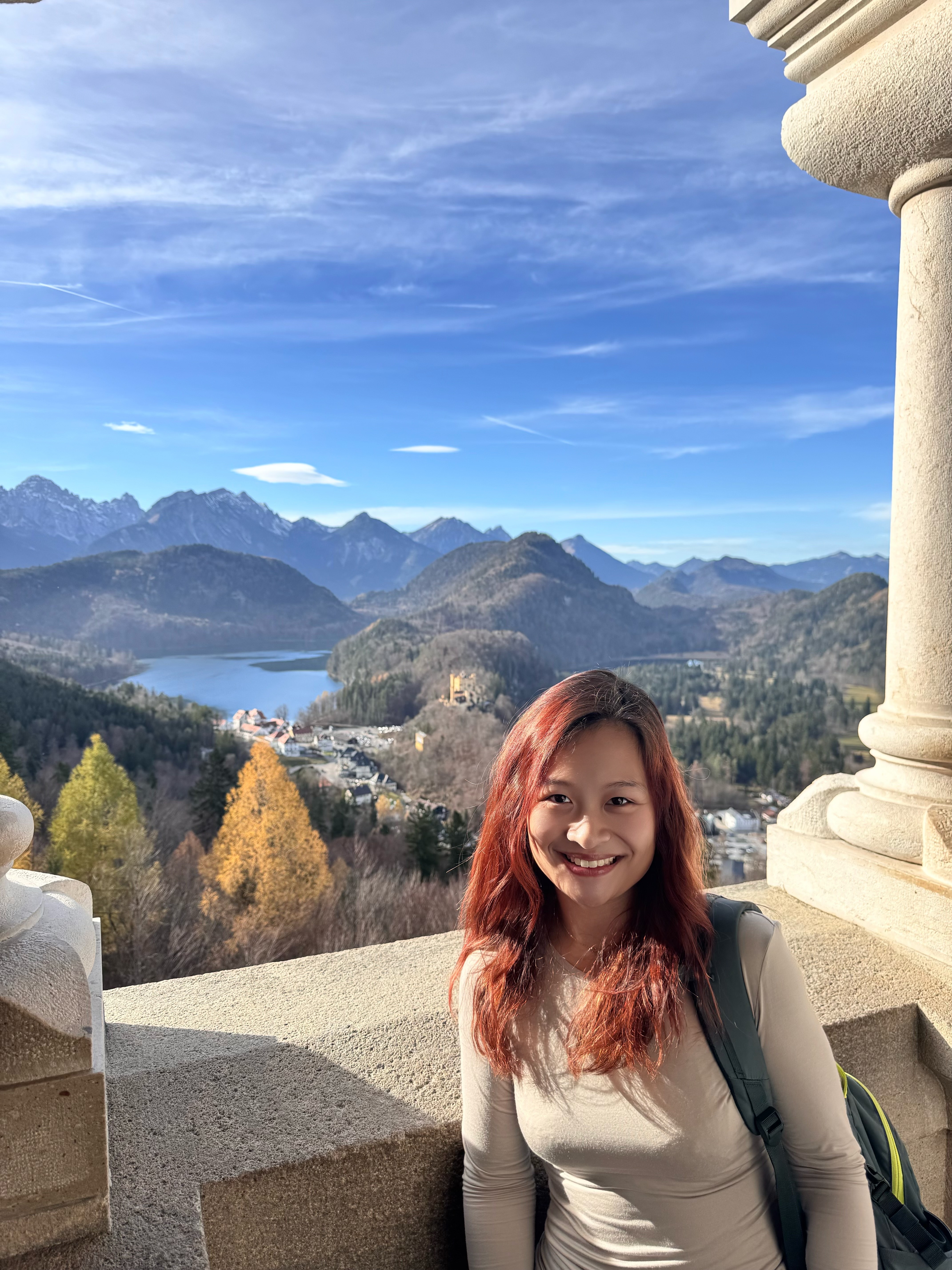
Hi! I'm Qiao Xue (Hear my name pronounced), a third-year Ph.D. student at the University of Chicago working with Jacob Bean and Eliza Kempton!
My research broadly focuses on characterizing exoplanet atmospheres by measuring their temperatures and detecting chemical compositions using ground-based and space telescopes. With these measurements, I study how planets form, evolve, their internal structure, chemistry, and whether they could support life. I am passionate about studying the full diversity of exoplanets — from massive super-Jupiters down to rocky sub-Earths.

I received my Bachelor's degree in Astronomy and Astrophysics from Shanghai Jiao Tong University in 2023. My senior thesis was selected as one of the best bachelor theses in Shanghai. I speak Mandarin and Japanese.

Outside of work, I enjoy cooking, running, and skiing. I also love playing board games and bar hopping!

Research

Rocky planet

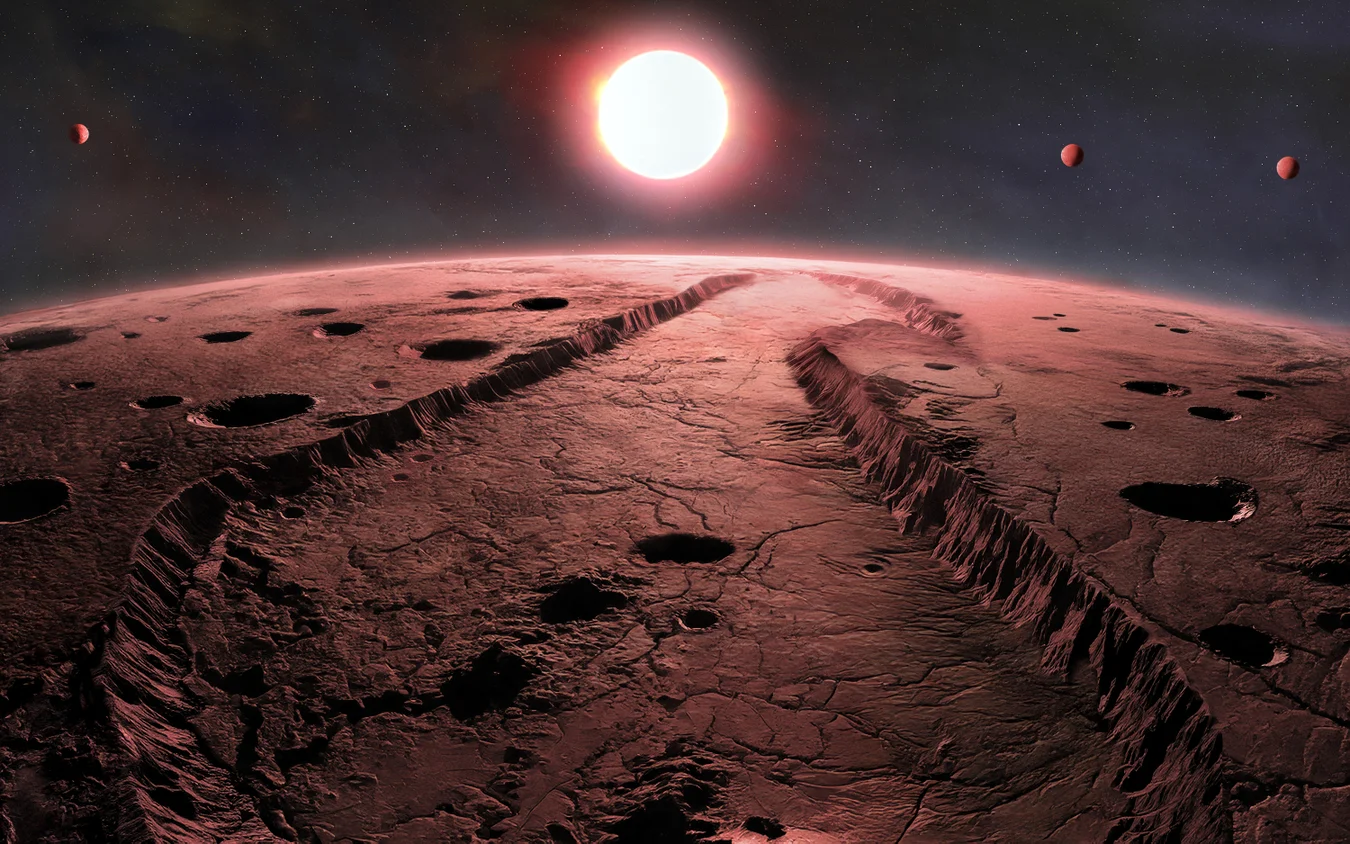
Rocky planets are among the most compelling targets in the search for habitable worlds beyond our solar system. Temperate rocky planets orbiting M dwarf stars — the smallest and most common stars in the galaxy — are particularly exciting because their observational accessibility and closer-in habitable zone compared to sun-like stars. However, M dwarfs are also known for intense stellar flares and high-energy radiation that could strip away planetary atmospheres over time, and without an atmosphere to regulate temperature and shield the surface, habitability becomes impossible — making the question of whether these worlds can hold onto their atmospheres one of the most pressing in exoplanet science.

On the hotter end of the rocky planet spectrum, lava worlds and hot super-Earths orbiting very close to their host stars may harbor thick, volatile-rich atmospheres sustained by magma outgassing — offering a very different but equally fascinating window into planetary chemistry and interior-atmosphere interactions.

Gas giant

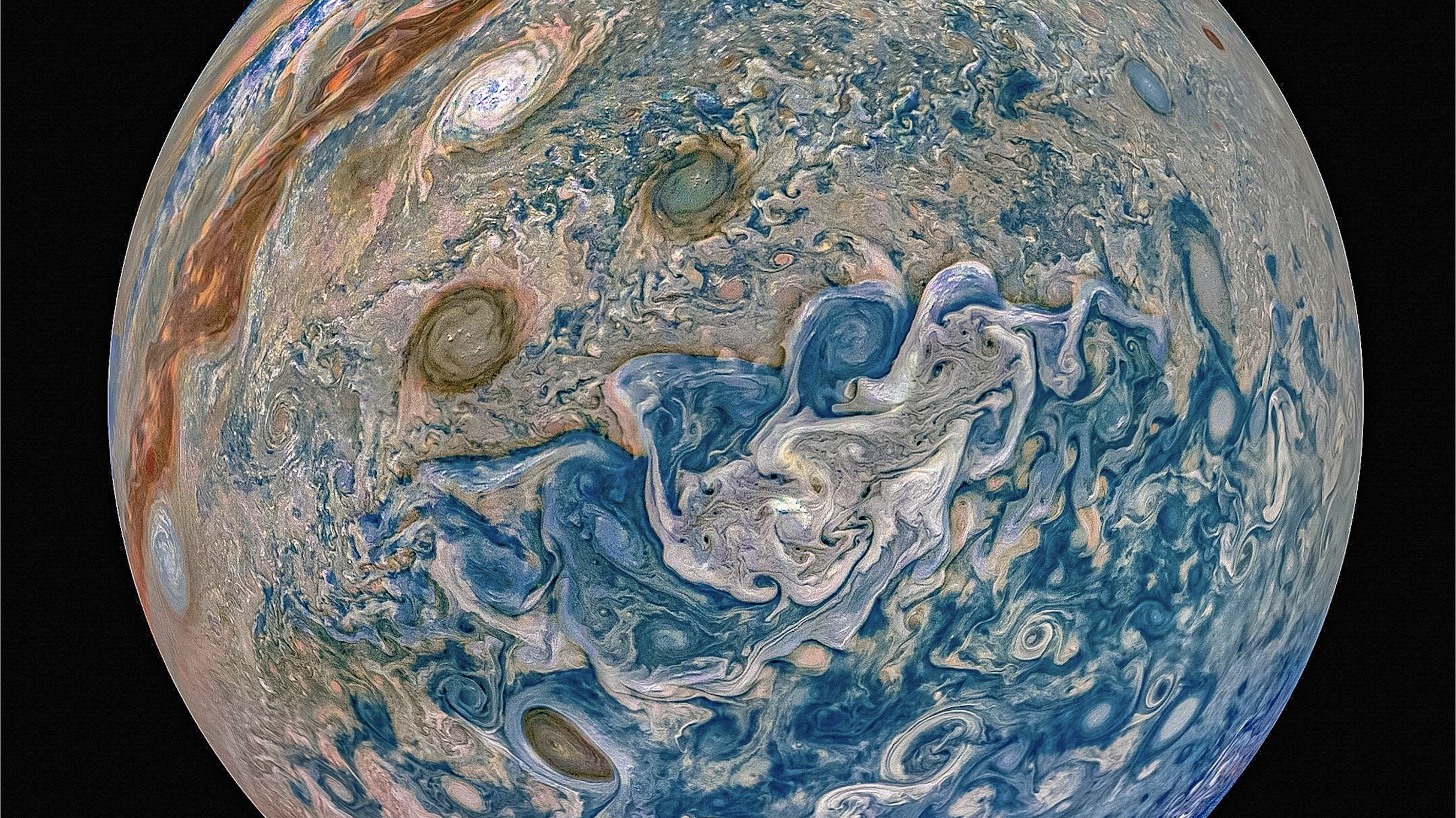
Gas giants' atmospheres serve as natural laboratories for chemistry happening under conditions far beyond anything found in our solar system. Hot Jupiters, which are giant planets orbiting perilously close to their host stars, experience temperatures so extreme that their atmospheres are full with exotic chemistry: iron and silicates condense into clouds, molecular species are torn apart and reformed, and powerful winds stretch temperature contrasts across their day and night sides. Characterizing the chemical inventories of these worlds, from water and carbon dioxide to more exotic absorbers, reveals how carbon, oxygen, sulfur, and other heavy elements are distributed across planetary systems and how they got to the planets in the first place.

At the other end of the gas giant population, true Jupiter analogs on wide, cold orbits are compelling for an entirely different reason: their greater distances from their stars make them more likely to host complex ring systems and families of moons. These distant giants mirror the role Jupiter plays in our own solar system, and studying them offers a window into whether architectures like ours.

Tool development

I contributed to the development of SPARTA (developed by Michael Zhang), an independent end-to-end data reduction pipeline for JWST time series observations of exoplanets. My contributions include building the photometry module, which enables users to extract and analyze photometric data directly within the pipeline, as well as improving the user interface to make the tool more accessible and easier to use for the broader community.

Outreach

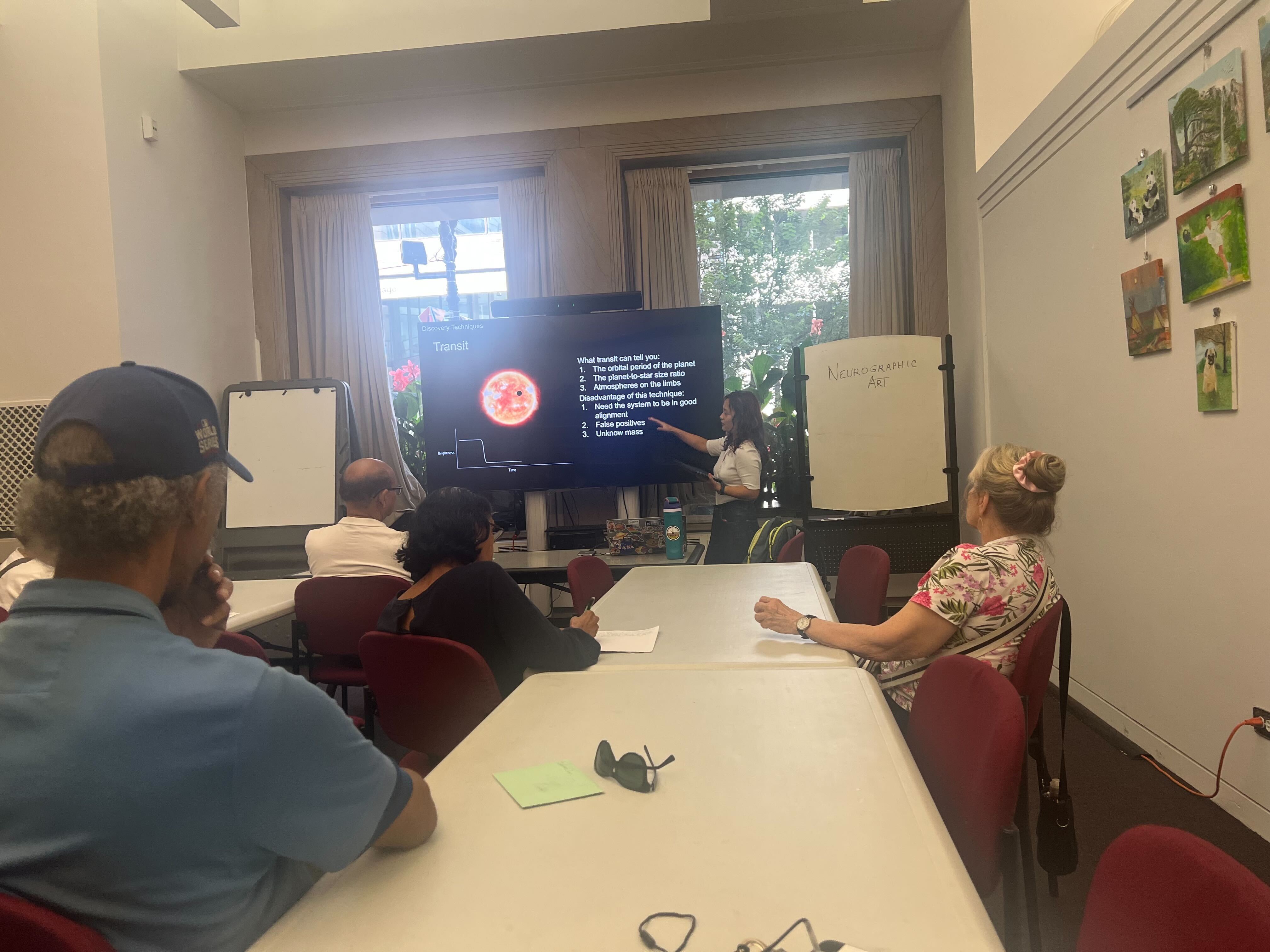
I am passionate about science outreach and making astronomy accessible to people of all ages and backgrounds. Some of my past activities include giving talks at the Chicago Resonance Center for senior community members, and participating in the Southside Science Festival at the University of Chicago. I am always looking for new opportunities to share the excitement of astronomy and exoplanet science with the broader community; if you are interested in collaborating or having me speak at your event, please don't hesitate to get in touch!

Outreach photo